

Luxury Steam Rooms for Modern Homes: Design, Benefits, Installation and Maintenance

A well-designed steam room turns an ordinary bathing area into a calm, spa-like retreat. It adds comfort, ritual and visible luxury to a home, villa, hotel or resort, but it also needs the right planning. Heat, moisture, power, drainage and finishes all have to work together.
This listicle covers the key decisions behind a luxury steam room, from space and waterproofing to controls, lighting and maintenance, with practical points for Indian homes and hospitality projects.
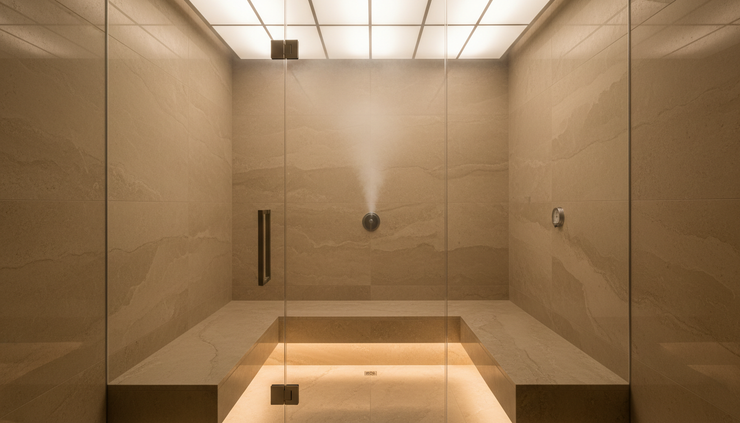
1. A steam room is a sealed space filled with warm vapour
A steam room is an enclosed bathing area designed to hold warm, moist air. A steam generator heats water until it becomes vapour, then releases that vapour into the room through a steam outlet. The result is a dense, humid environment that feels very different from a dry sauna.
A typical steam room includes:
A sealed enclosure
A steam generator
Waterproof walls, ceiling and floor
A sloped ceiling to control condensation
Seating that can handle heat and moisture
Drainage
Controls for time and temperature
Safe lighting and ventilation
The experience is often called a steam bath, especially in Indian homes, spas and hotels. It is valued for relaxation, warmth and the feeling of a complete wellness routine after a shower, workout or swim.
Steam rooms involve heat and humidity. Anyone with a medical condition, pregnancy, heart concerns or heat sensitivity should seek medical advice before use.
2. The steam generator is the heart of the system
The steam generator is usually installed outside the steam enclosure, often in a service area, cabinet, utility room or plant room. It requires plumbing, electrical supply and a steam line connected to the room.
Here is the basic process:
Fresh water enters the generator.
The heating element boils the water.
Vapour travels through insulated piping.
Steam enters the room through a steam head.
The control panel manages time and temperature.
Condensate collects and moves towards the floor drain.
Correct generator sizing matters. A unit that is too small will struggle to heat the space. A unit that is too large can make the room uncomfortable and less efficient. Professionals calculate capacity based on room volume, surface materials, ceiling height, glass area and climate conditions.
Natural stone, glass and high ceilings can increase heat loss. In such cases, the generator may need higher output than a simple volume calculation suggests.
3. Good steam room design starts with comfort and proportion
A beautiful steam room should never feel cramped, slippery or difficult to use. The best rooms balance aesthetics with practical comfort.
For a private residence, a compact one or two-person layout may be enough. In villas, wellness suites and resorts, larger seating and a more generous entry can create a better guest experience.
Key design details include:
Bench depth A comfortable bench should allow relaxed sitting, not just narrow perching.
Seat height Seating should feel stable and easy to access, especially when the floor is wet.
Ceiling slope A gentle slope helps condensation run to the side instead of dripping directly on users.
Door placement The door should open smoothly and seal well, without blocking movement.
Steam outlet position The outlet should stay away from legs, feet and direct contact zones.
Material continuity Matching the steam room with the bathroom, pool deck or spa area creates a premium look.
A serious steam room design also considers long-term use, not just the first impression. A stunning room that is difficult to clean or slow to heat will not feel luxurious for long.

4. Space planning decides what kind of steam experience is possible
A steam room does not always need a large footprint. The space requirement depends on how many people will use it at once and how premium the experience should feel.
Type of project | Typical planning approach | Practical note |
Apartment bathroom | Compact single-user enclosure | Best when planned during renovation |
Luxury home | Two-person or family-sized layout | Can be integrated with shower or wellness bathroom |
Villa | Larger seating with premium finishes | Works well near pool, gym or master suite |
Hotel or resort | Commercial-grade design | Needs higher durability and easier servicing |
In Indian homes, it is common to integrate a steam room for home use with the shower area when space is limited. This works well only if the shower enclosure is upgraded with proper sealing, steam-safe materials, correct ceiling treatment and compatible fixtures.
A separate home steam room offers a better experience where space allows. It can include fixed seating, mood lighting, premium wall finishes and concealed services.
Before finalising the room size, check:
The ceiling height
Access to water supply
Electrical load availability
Drainage position
Generator location
Service access for maintenance
Door swing and user movement
A small room planned well will perform better than a large room planned poorly.
5. Waterproofing is non-negotiable
Steam is more demanding than normal bathroom moisture. It reaches corners, joints, ceilings, light fittings and behind poorly sealed surfaces. This is why waterproofing sits at the centre of steam room performance.
A proper build-up usually includes:
Waterproof substrate
Vapour barrier
Sealed joints and corners
Compatible tile adhesive
Epoxy or steam-rated grout
Sealed penetrations around lights, pipes and controls
Correct floor slope towards the drain
The ceiling requires special attention. In a standard bathroom, the ceiling may see occasional humidity. In a steam room, it faces constant condensation during every session. A flat ceiling can cause water droplets to fall on users. A sloped ceiling helps control this.
Glass also needs careful detailing. Toughened glass doors and panels should have suitable seals, minimal gaps and hardware that resists corrosion.
Poor waterproofing can lead to damp patches, mould, damaged walls, odour and expensive repairs. It is much cheaper to build correctly than to repair a leaking steam enclosure later.
6. Ventilation protects the room after every session
A steam room must hold steam during use, but it also needs to dry out after use. This is where ventilation becomes important.
The goal is controlled moisture removal, not constant air leakage. If the room leaks too much during operation, the generator works harder and the experience feels weak. If the room stays wet for hours after use, surfaces become harder to maintain.
Good ventilation planning may include:
A well-sealed door during steam cycles
A gap or venting strategy for post-use drying
Mechanical exhaust near the wet zone, where suitable
Adequate air movement in the surrounding bathroom
Time for the door to remain open after use
Hotels and resorts need an even more disciplined ventilation plan because usage is frequent. Residential projects can be simpler, but they still need a clear drying routine.

7. Indian climates need special planning for humidity, water and usage
India has wide climate differences. A steam room in Mumbai or Kochi faces different conditions from one in Delhi, Jaipur or Bengaluru. The design should account for local weather, water quality and daily use patterns.
In humid coastal regions, post-use drying is critical. Bathrooms may already hold moisture because of monsoon weather and limited natural ventilation. Exhaust planning, waterproofing and mould-resistant detailing become more important.
In dry or extreme-heat regions, users may prefer shorter steam sessions and better cooling in the adjacent bathroom or changing zone. Materials should handle thermal expansion and frequent temperature changes.
In hard-water areas, the steam generator needs extra care. Mineral deposits can build up inside the unit and reduce performance. Water treatment, periodic flushing and descaling help extend equipment life.
For Indian homes, villas and resorts, practical planning should include:
Reliable earthing and electrical protection
Correct generator placement away from direct splash
Easy service access
Anti-skid flooring
Corrosion-resistant fittings
Water treatment if hardness is high
Good ventilation for monsoon months
Materials suited to heavy cleaning and humidity
These details shape long-term comfort. They also reduce service calls and unexpected downtime.
8. Controls, lighting and safety features shape the daily experience
Controls decide how easy the steam room is to use. Basic systems allow temperature and timer settings. Premium systems may offer digital panels, memory settings, aromatherapy options and remote operation, depending on the chosen equipment.
The control panel should be easy to reach, either inside the room with steam-rated protection or outside the entrance. For hotels and resorts, controls should be simple enough for guests to understand without staff assistance.
Lighting needs equal care. Standard bathroom lights may not be suitable for a steam enclosure. Choose fittings rated for wet, hot and humid conditions. Warm indirect lighting often works best because it reduces glare and creates a calmer atmosphere.
Popular lighting choices include:
Recessed steam-rated ceiling lights
Concealed LED strips in niches or under benches
Soft wall washing
Chromotherapy lighting for spa projects
Low-glare lighting near the entrance
Safety details should not be treated as optional. The room should include non-slip flooring, rounded bench edges, safe glass, a reliable door that opens easily and a steam outlet positioned away from contact.
Luxury is not only about expensive finishes. It is also about feeling safe, relaxed and in control.
9. Materials must combine beauty with durability
Steam rooms suit many design styles, from minimal stone interiors to rich spa-inspired spaces. The right materials should resist moisture, heat, cleaning chemicals and frequent use.
Common options include:
Porcelain tiles
Natural stone with proper sealing
Glass mosaics
Large-format slabs
Engineered surfaces rated for wet areas
Stainless steel or brass fixtures with suitable finish quality
Porcelain is often practical because it is dense, easy to clean and available in many stone-like finishes. Natural stone can look beautiful, but it needs sealing and careful maintenance. In commercial settings, durability and cleanability should guide the choice more than visual drama alone.
Avoid materials that absorb moisture easily or deform in heat. Standard wood, untreated panels and ordinary painted surfaces are poor choices inside a steam enclosure.
For a premium result, coordinate the visible finishes with the rest of the bathroom or spa:
Match tile tones with vanity and flooring
Use the same metal finish for handles, shower fittings and accessories
Conceal drains where possible
Keep joints neat and aligned
Use lighting to bring out texture
A refined finish comes from restraint, alignment and detailing.
10. Professional installation makes the difference between a feature and a problem
Steam rooms require several trades to work together. Plumbing, electrical, waterproofing, tiling, glass, ventilation and equipment installation all affect the final result. If one part fails, the whole room suffers.
A professional steam room installation should include:
Site assessment
Room volume calculation
Generator selection
Waterproofing specification
Drainage planning
Electrical load checks
Control and sensor placement
Safe steam outlet positioning
Testing and handover
Maintenance guidance
This is where a specialist supplier and installer adds real value. Luxury Brands Bath & Interiors works with homeowners, architects, interior designers, villas, hotels and resorts across India to plan and install steam room solutions that suit the space, climate and expected usage. The role is not only to supply equipment, but to help coordinate the technical details that make the room comfortable, safe and reliable.
For high-end projects, early involvement helps. If the steam room is planned during the design stage, the team can hide services, improve waterproofing, position the generator correctly and avoid late compromises.

11. Maintenance keeps the steam room fresh, safe and efficient
A steam room is easier to maintain when it is designed well. Smooth surfaces, proper slopes, good drainage and accessible equipment all reduce effort.
After each use, the room should be allowed to dry. Leave the door open for air circulation, rinse down surfaces if needed and ensure water is not pooling on benches or the floor.
Regular care may include:
Wiping benches and glass
Cleaning floor drains
Checking door seals
Removing soap residue and mineral marks
Flushing the generator as recommended
Descaling in hard-water areas
Inspecting grout and silicone joints
Servicing controls and electrical parts through qualified technicians
Hotels and resorts need a written cleaning schedule because multiple guests may use the room daily. Homes can follow a simpler routine, but consistency still matters.
Avoid harsh cleaners unless the surface manufacturer allows them. Many premium finishes can be damaged by acidic or abrasive products. Use suitable cleaning agents, soft cloths and non-scratch tools.
12. Steam rooms are rising in luxury homes, villas, hotels and resorts
The demand for private wellness spaces has grown across India. Luxury bathrooms are no longer planned only for quick daily routines. They now include spa showers, soaking tubs, saunas, heated loungers and steam rooms.
Several trends explain the rise:
More homeowners want spa-like comfort at home
Villas and second homes often include wellness zones
Hotels use steam rooms to improve guest experience
Resorts add them near pools, gyms and treatment rooms
Architects now plan bathrooms as lifestyle spaces
Compact equipment makes private installations easier
A steam room also adds a sense of completeness to a wellness area. After a swim, workout or massage, steam feels like a natural final step. In a private home, it creates a quiet ritual without travelling to a spa.
The best results come from planning the room as a full system. Size, waterproofing, generator capacity, controls, lighting, ventilation and maintenance all matter. When these pieces work together, a steam room becomes more than a premium bath feature. It becomes a space people use often, enjoy deeply and maintain with ease.
For homeowners and hospitality projects in India, the smartest next step is to involve a professional early. A specialist such as Luxury Brands Bath & Interiors can guide product selection, technical planning and installation, so the finished steam room looks elegant and performs reliably for years.


Comments